CD1-MR1 EXECUTIVE COMMITTEE

Agnes Lehuen
Cochin Institute, Université Paris Cité, FranceAgnes Lehuen is director of the Laboratory “Immunology of diabetes” at Cochin Institute and University Paris City, France. She is cofounder of the Laboratory of Excellence INFLAMEX.
Dr Lehuen research concerns immune regulation in several contexts including autoimmunity and metabolic diseases. Her laboratory has highlighted the key role of innate immune cells in the initiation or the prevention of type 1 diabetes, with a particular interest on NKT and MAIT cells. Her studies in patients and mouse models revealed the alterations and functions of MAIT cells in type 1 and type 2 diabetes, obesity and liver diseases. During the recent pandemic, her studies on SARS-CoV-2 infection showed that MAIT cell activation and cytotoxic function are associated with disease severity and mortality of COVID-19 patients. She presently investigates the role of MAIT cells in tissue damage upon enterovirus infection, as well as the crosstalk between MAIT cells and microbiota in diabetes.

Mark Exley
LifT Biosciences CSO & Imperial College, UKMark A. Exley, MS, Ph.D., LIfT Biosciences CSO, Imperial College Visiting Professor. He is best known scientifically for research on NKT cell populations and their roles in immunotherapy for cancers, infections and inflammation, has published ~130 scientific articles, supported by research awards and grants. He was most recently CSO, Imvax, previously VP, continues to advise Agenus/AgenTus (now MiNK, NASDAQ:INKT). Mark has contributed to 10 biologics or cell therapy clinical trials in cancers and other diseases. Mark was faculty at Harvard Medical School; Professor, Manchester University; Scientist, Immulogic. He mentors many successful scientists, has Editorial roles and trained in London, UK.
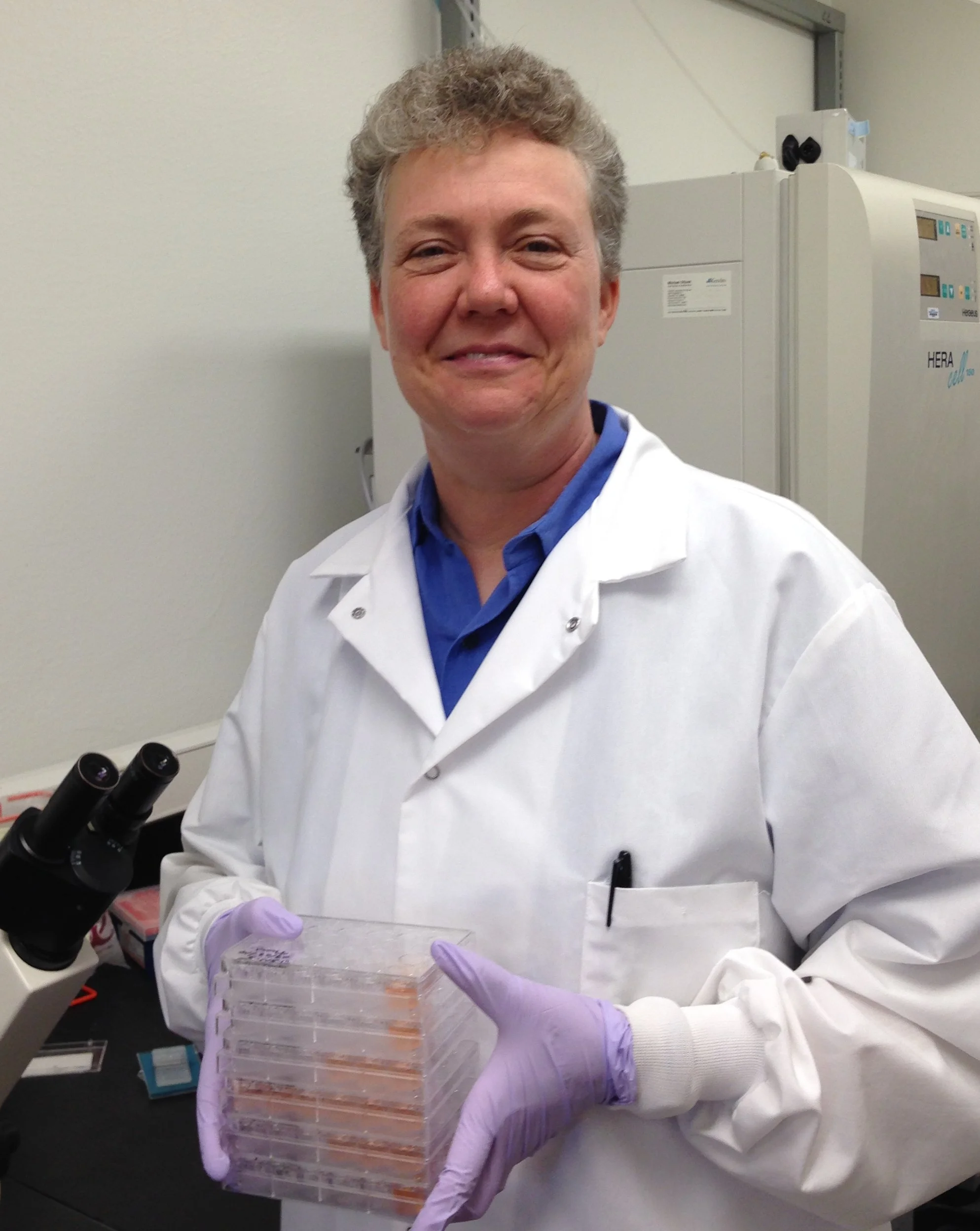
Jenny Gumperz
University of Wisconsin School of Medicine and Public Health, USADr. Jenny Gumperz is Professor of Medical Microbiology and Immunology at the University of Wisconsin School of Medicine and Public Health. She completed her Ph.D. at Stanford University, where she investigated NK cell recognition of HLA molecules, then turned her attention towards CD1d-restricted T cells during her postdoctoral studies at Harvard University. She joined the faculty of the University of Wisconsin in 2003, where her current research focuses on understanding how human iNKT cells interact with myeloid APCs to promote anti-tumor immunity and improve outcomes of hematopoietic transplantation.
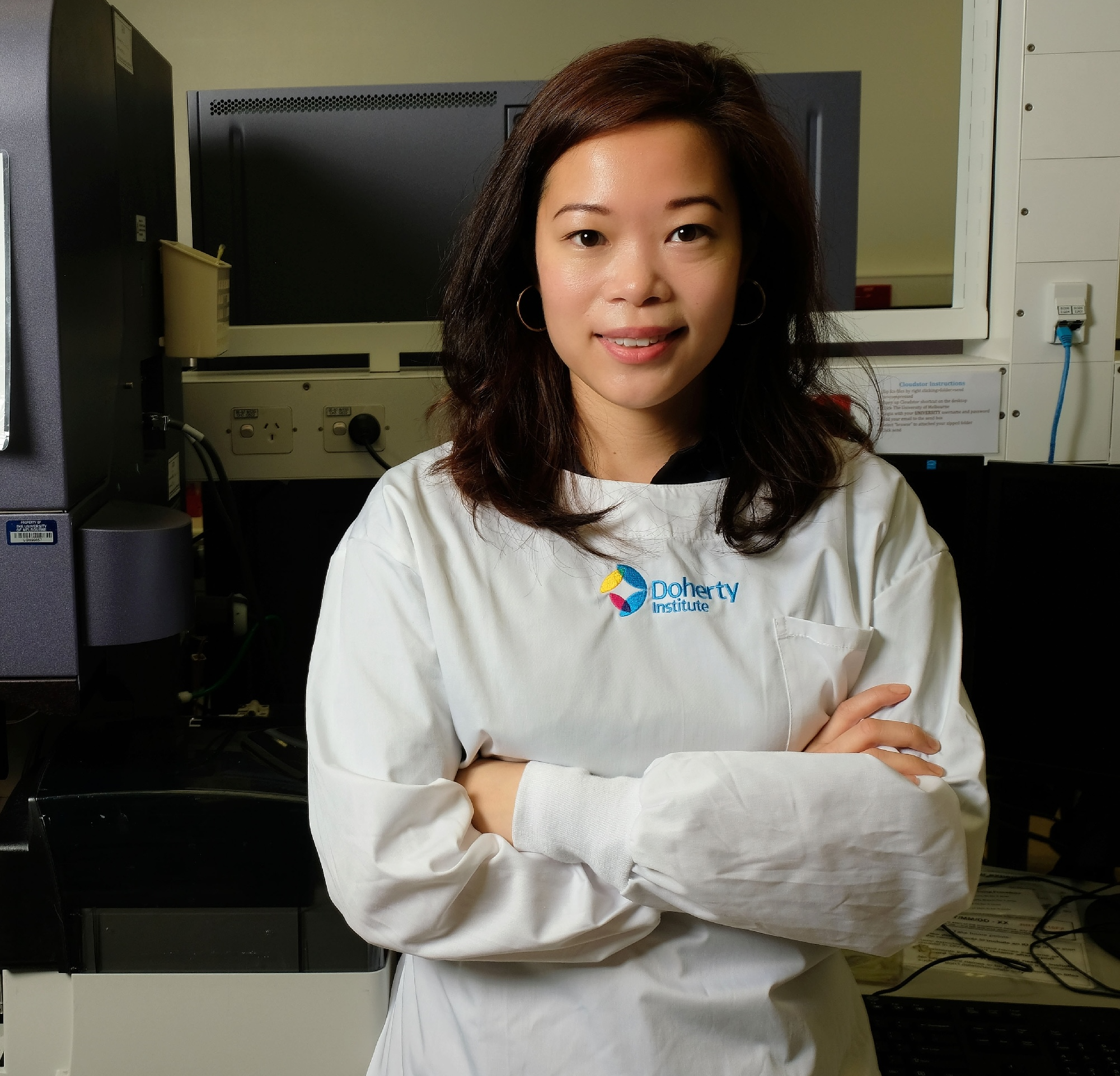
Fern Koay
Peter Doherty Institute for Infection & Immunity, University of Melbourne, AustraliaDr Fern Koay is a laboratory head and NHMRC Investigator Fellow at the Peter Doherty Institute for Infection and Immunity, University of Melbourne, Australia. Her research focuses on unconventional T cell biology including MAIT, NKT and γδ T cells, with a focus on their development, function and therapeutic potential. She has served the CD1-MR1 community through co-chairing the 2024 and 2027 international CD1-MR1 meetings.
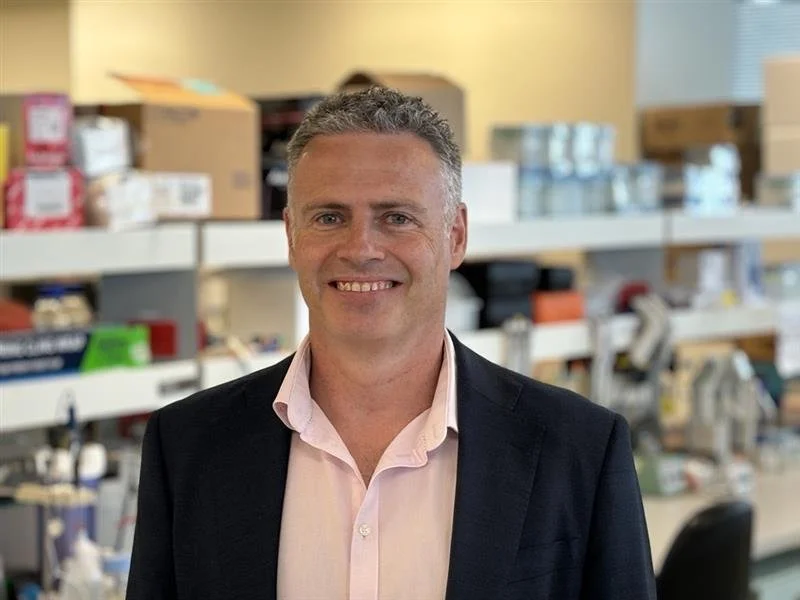
Dan Pellicci
Murdoch Children's Research Institute, AustraliaAssociate Professor Daniel Pellicci completed his PhD in 2013 at the University of Melbourne, prior to heading the Cellular Immunology Group at the Murdoch Children’s Research Institute in 2018. Daniel’s research is focused on the development, function and role of human unconventional T cells in infectious diseases. His lab employs high-dimensional spectral flow cytometry and transcriptomic analysis to provide new insight into how unconventional T cells mediate protective human immunity. His work on understanding the development of human unconventional T cells has led to new opportunities to develop these cells as an ‘off the shelf’ therapy to treat human cancer and infection.

Mitchell Kronenberg
La Jolla Institute for Immunology, USAMitchell Kronenberg was on the faculty of UCLA and joined the La Jolla Institute for Immunology in 1997. He was President (2003-2021) and is now a Professor there. The Kronenberg laboratory investigates the development and function of iNKT and MAIT cells. Work on iNKT cells analyzed the structure and recognition of glycolipid antigens, antigen processing and CD1d antigen presentation, the mechanism of iNKT cell protection from infections, and the formation of iNKT cell subsets. Work on MAIT cells is investigating the gene programs that guide their development and function, as well as the influence of metabolic pathways and genetic polymorphisms on them.

Paul Klenerman
University of Oxford, UKMy work is mainly in infectious diseases and vaccines. My lab became interested in MAIT cells through studies of liver T cells in hepatitis virus infection. We found they are readily activated by viruses via cytokines and since then have been trying to work out the consequences of such activation and how MAIT cells and conventional T cells communicate with each other. We are also interested in how MAIT cells integrate TCR and non-TCR signals to drive different functions such as tissue repair and how MAIT cells might more generally contribute to tissue homeostasis.